
Overview
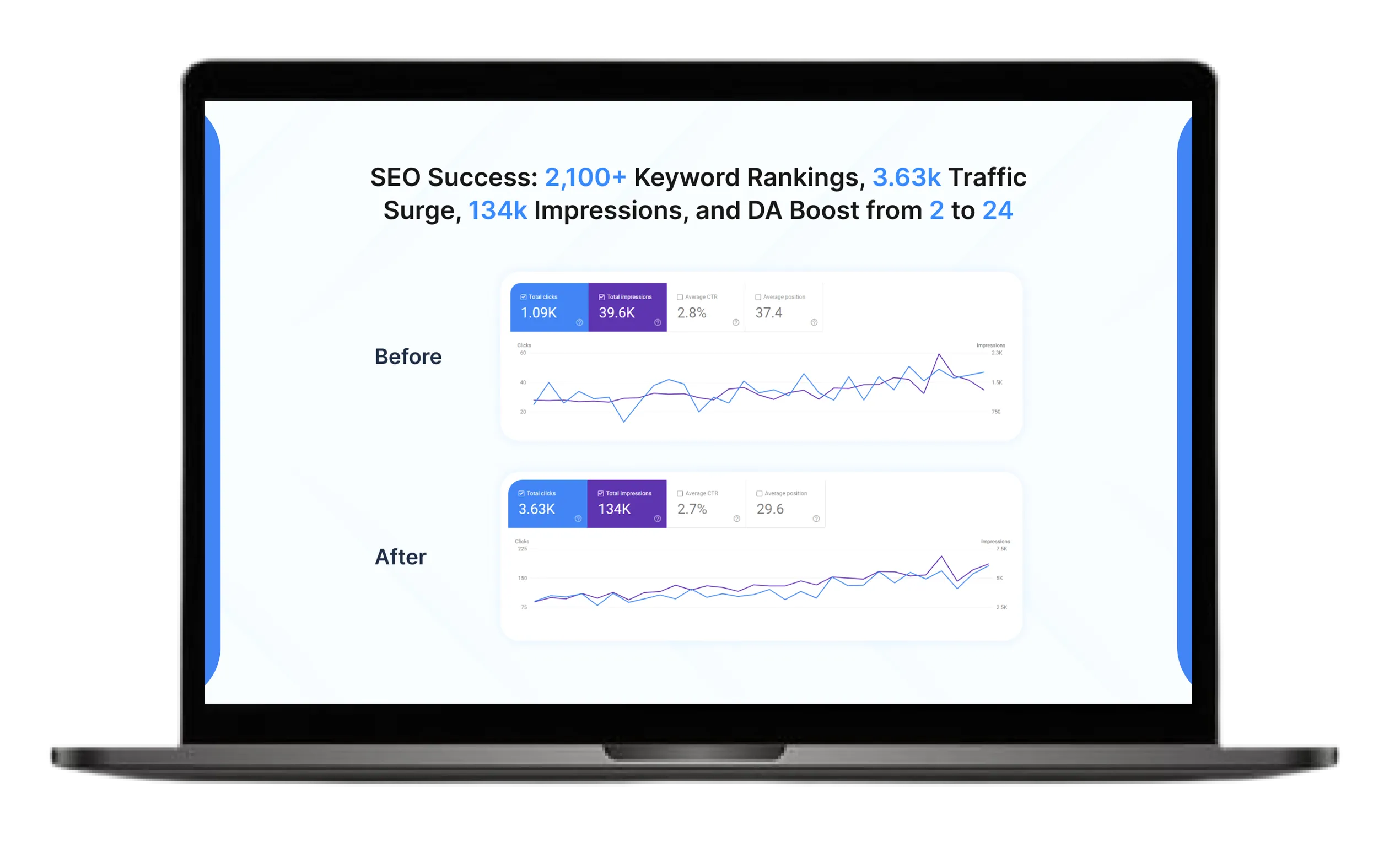
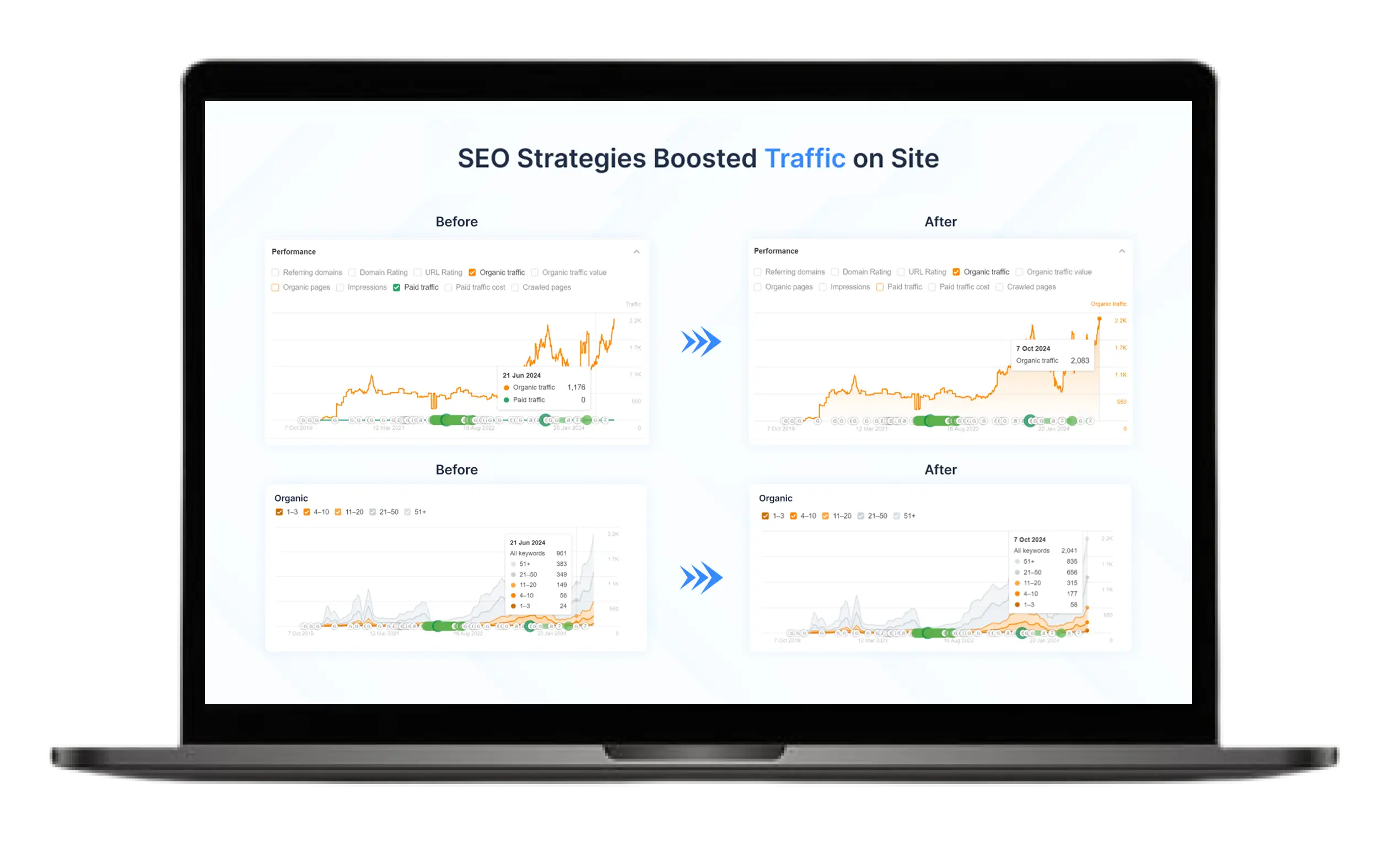
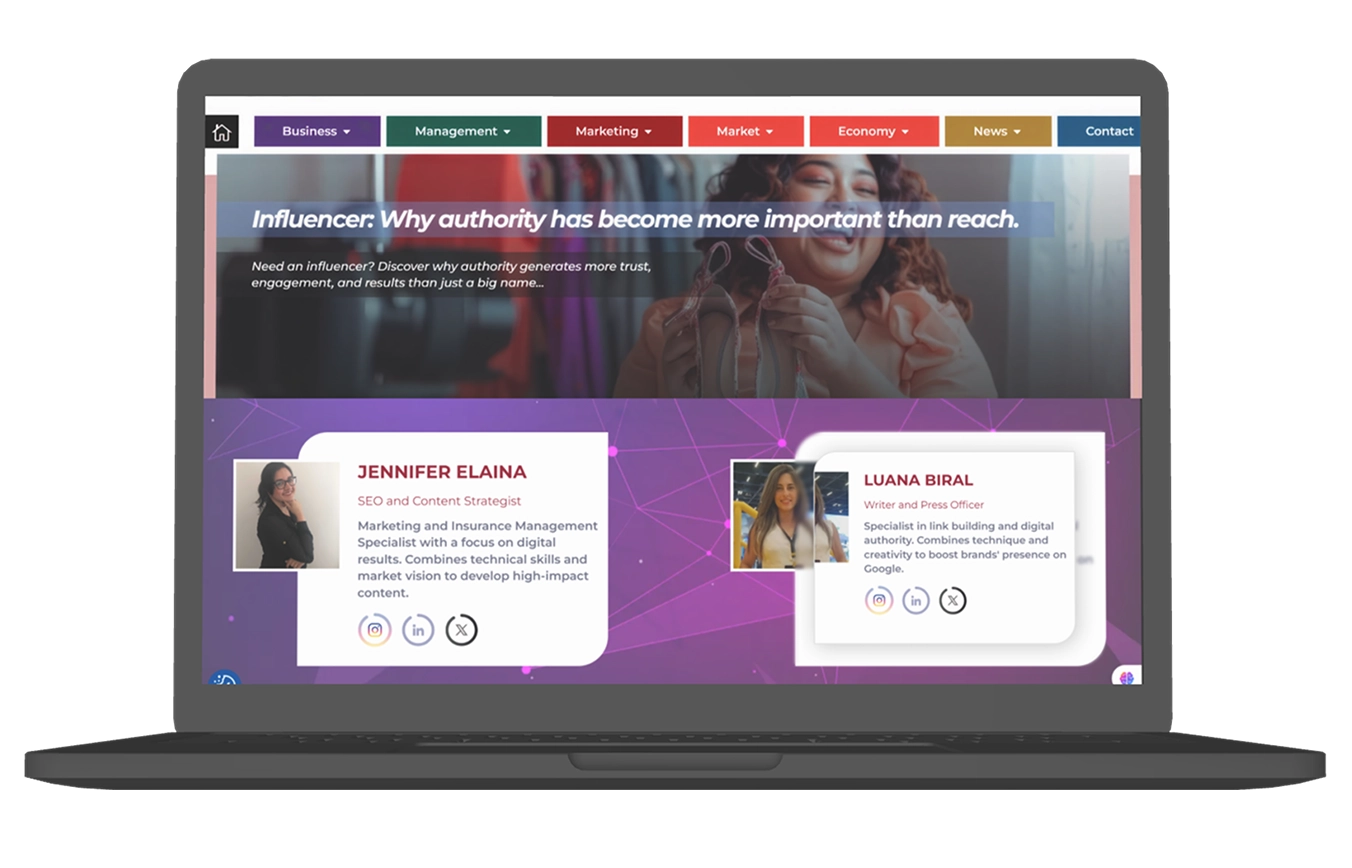
Negócios em Foco is a Portuguese-language business content website built on WordPress. The platform publishes articles covering entrepreneurship, personal finance, business strategy, and market trends for a Portuguese-speaking audience. The site had been running for some time with a growing library of content, but its search engine presence did not reflect the volume or quality of what had been published.
Background
The client came to Red Star Technologies with a specific goal: to get the site ranking in organic search results and turn existing traffic into actual revenue. No ads were running. No SEO structure was in place. The content was not visible to its targeted audience even after being published.
Initial Challenges
The client reached out to us to identify the root causes of their poor search visibility and help them build a working monetization setup. After an initial review of the site, our team identified four core problems.
1. Weak On-Page SEO Signals
The website had weak on-page SEO across most articles. Meta titles were auto-generated, meta descriptions were missing, and heading structures were inconsistent. Search engines had no clear signal about what each page was trying to rank for.
2. Duplicate and Near-Duplicate Content
Duplicate and near-duplicate content existed across multiple URLs. Several articles covered overlapping topics without proper canonical tags, which caused Google to split ranking signals instead of concentrating them on a single authoritative page.
3. Minimal Internal Linking Structure
The internal linking structure was almost nonexistent. Pages were not connected to related content, which limited how much topical authority the site could build. Many articles were effectively orphaned, receiving no internal link equity from the rest of the site.
4. No Monetization or Performance Tracking
The client had no revenue from the site despite receiving consistent traffic. Google AdSense was not set up, and there was no performance tracking in place to understand which content was working and which was not.
Strategy Implementation
We approached the project in four phases, each targeting one of the core problems identified during our review.
1. Technical SEO Audit and On-Page Fixes
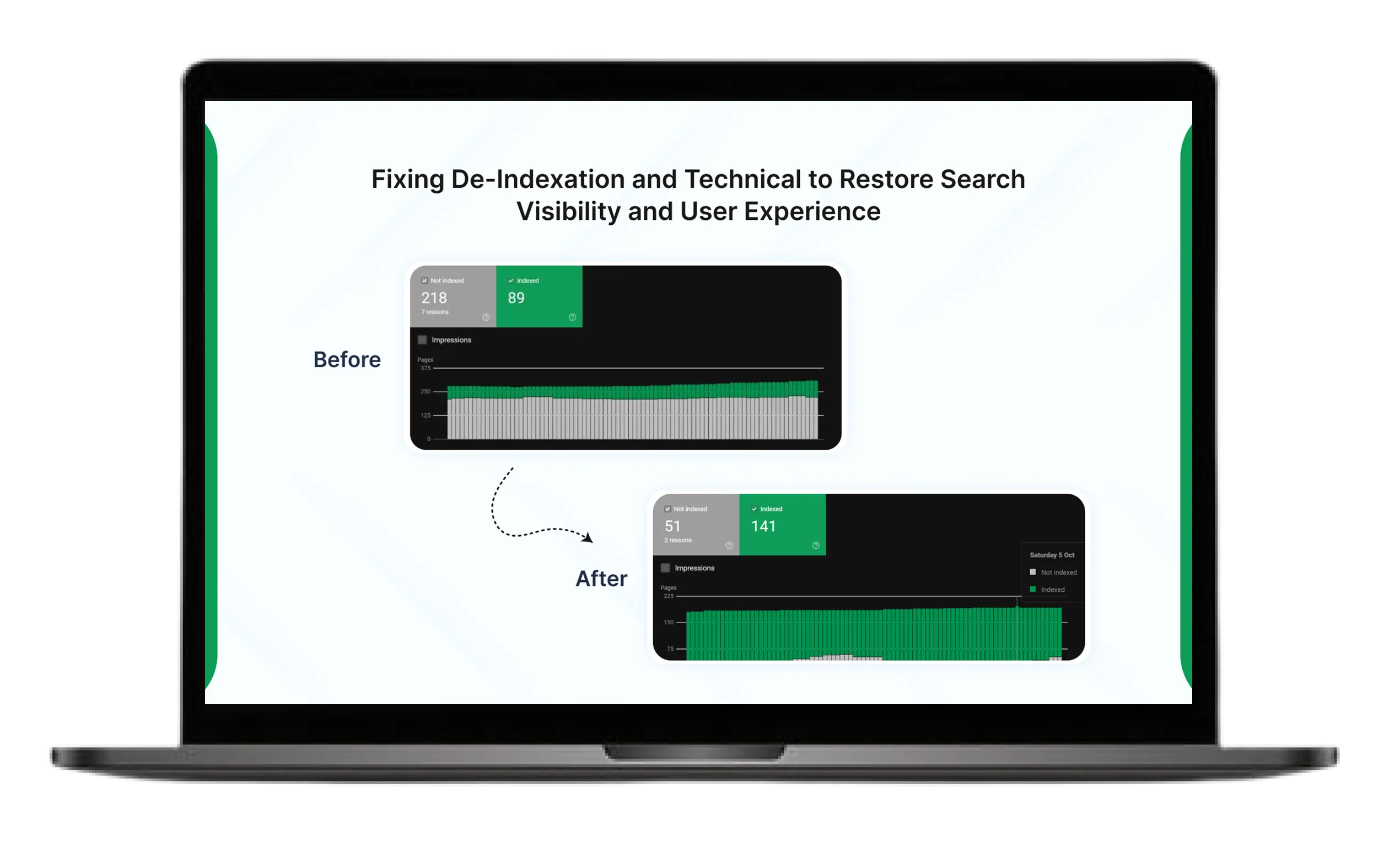
Our team ran a full technical crawl of the site to map every indexed URL, identify crawl errors, and flag pages that were accidentally blocked by robots.txt or noindex tags. We found that several key pages, including category pages that could have served as strong topical hubs, were not being indexed at all.
Image files were large, uncompressed, and carried generic filenames. We renamed each image with descriptive, keyword-relevant file names and added alt attributes to every image across the site. Meta titles were rewritten to include the primary keyword within the first 60 characters. Meta descriptions were created from scratch for all priority pages, with clear, specific copy that gave users a reason to click. Canonical tags were applied to resolve duplicate content issues and consolidate ranking signals to single authoritative URLs.
- Full technical crawl to identify crawl errors and blocked pages
- Descriptive, keyword-relevant image file names and alt attributes site-wide
- Rewritten meta titles with primary keywords in the first 60 characters
- New meta descriptions written for all priority pages
- Canonical tags applied to resolve duplicate content issues
2. Content Optimization and Internal Linking
Each article was reviewed against the search intent of its target keyword. Some content was well-written but structured poorly, using long unbroken paragraphs with no subheadings. We restructured heading hierarchies across all optimized pages, using H2 and H3 tags to break content into logical sections that both readers and crawlers could follow easily.
Secondary and LSI keywords were added naturally within the body copy and subheadings, avoiding keyword stuffing while improving topical coverage. We then built out an internal linking map connecting related articles by topic. A post about business registration linked to articles on accounting tools and tax planning. A finance article linked back to related entrepreneurship content. This turned isolated pages into a connected content network.
- Content reviewed and matched against target keyword search intent
- Heading hierarchies restructured with H2 and H3 tags for readability
- Secondary and LSI keywords added naturally without stuffing
- Internal linking map connecting related articles by topic
3. Google AdSense Integration
We set up a Google AdSense account for the client, submitted the site for review, and managed the approval process. Once the site was approved, we selected ad unit types and positions based on where ads tend to perform best without degrading the reading experience.
In-article ad units were placed between content sections rather than at the very top of pages. Readers who have already scrolled past the first content block have demonstrated intent, which makes mid-content placements more effective than header ads that appear before a user has engaged. A responsive display ad was also added to the sidebar, providing passive visibility across all pages. All placements were checked against AdSense policy requirements before going live.
- Google AdSense account setup and full approval process managed
- In-article ad units placed mid-content rather than above the fold
- Responsive sidebar display ad added for passive visibility
- All placements verified against AdSense policy before going live
4. Performance Reporting Setup
Google Analytics was installed but had not been configured. No goals were set, no events were tracked, and the client had no way to see which articles were generating traffic or which pages users were leaving immediately.
We connected Google Search Console to Google Analytics and built a monthly reporting template. It covered organic sessions, keyword position movement, click-through rate by page, top-performing content, and AdSense earnings. The client could now review a single document each month and make informed decisions about which content to update, which topics to target next, and where to focus their publishing efforts.
- Google Analytics properly configured with goals and event tracking
- Google Search Console connected to Google Analytics
- Monthly reporting template covering sessions, rankings, CTR, and earnings
Results Achieved
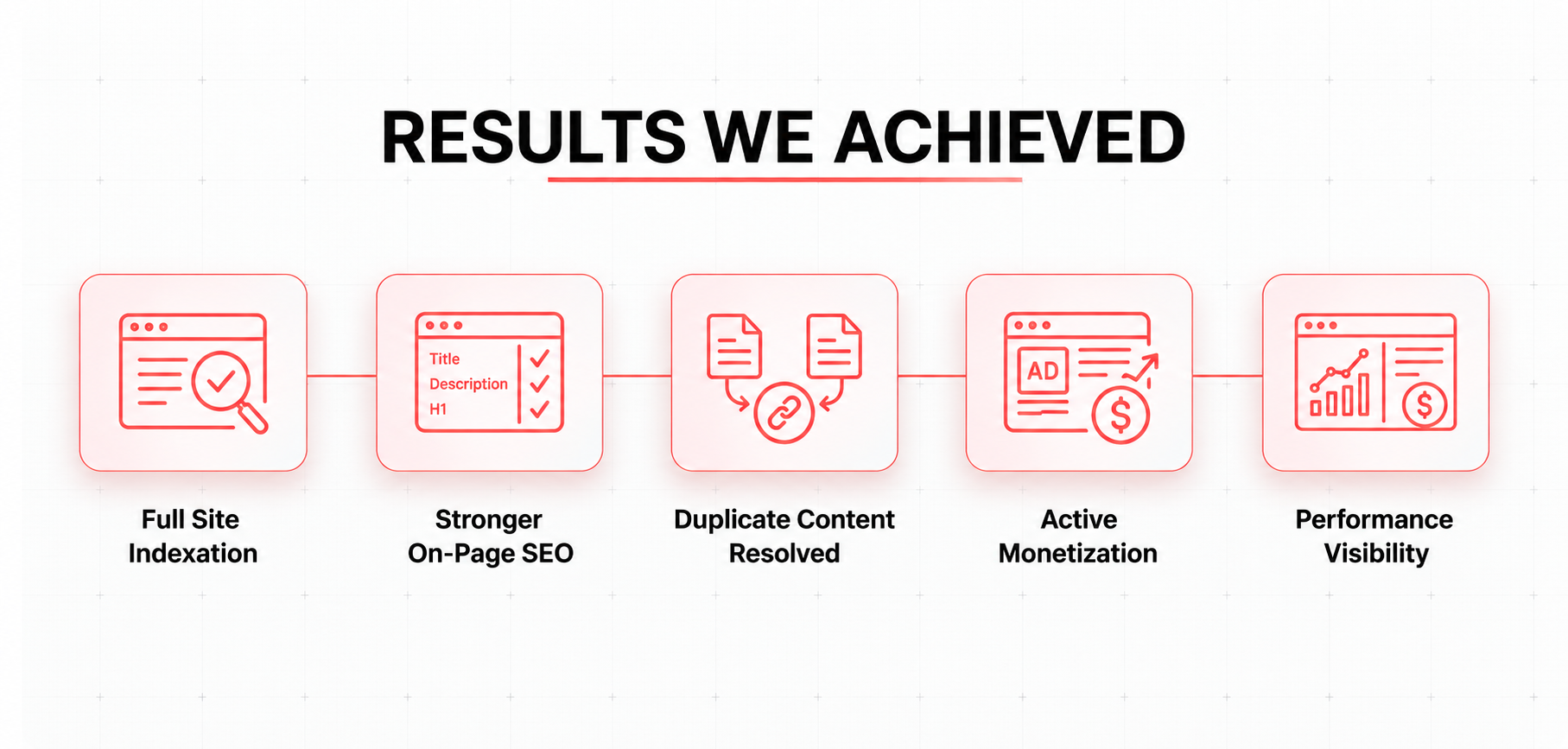
After implementing all four phases, the following outcomes were delivered.
1. Full Site Indexation
All target pages were successfully indexed following the technical audit. Crawl coverage moved from partial to complete. Pages that had been blocked or ignored by search engines were now accessible and eligible to rank.
2. Stronger On-Page SEO Foundation
Every priority page had a properly written meta title, a compelling meta description, a clean heading structure, and keyword-optimized body content. The site went from having almost no deliberate SEO structure to having a consistent on-page framework across its most important articles.
3. Resolved Duplicate Content Issues
Canonical tags were applied across all overlapping pages. Ranking signals that had been split across multiple similar URLs were now consolidated, giving priority pages a stronger signal to rank with.
4. Active Monetization
Google AdSense went live and the client began earning ad revenue from traffic the site was already receiving. No additional traffic was needed. The monetization setup delivered a direct return on the project investment from existing sessions that had previously generated nothing.
5. Ongoing Performance Visibility
The client had a working reporting system for the first time. Instead of guessing whether the site was improving, they could now see keyword position changes, session trends, and earnings in a single monthly report.
Testimonial
"Red Star Technologies brought real structure to a site that had none. They fixed the technical issues we didn't know existed, improved our content without making it feel robotic, and set up AdSense correctly from the start. We now have a clear picture of how our site is performing each month, and we're seeing growth we weren't seeing before."
— Client, Negócios em Foco
Tech Stack Summary
|
Component |
Tool / Framework |
|
Platform |
WordPress |
|
SEO Tools |
Google Search Console, Google Analytics, SEO Audit Tools |
|
Monetization |
Google AdSense |
|
Content Strategy |
Keyword Research & On-Page Optimization |
Lessons Learned
- Technical SEO fixes have to come before content optimization, since indexation problems make even the best content invisible.
- Monetization doesn't always require new traffic. Existing sessions can generate revenue once the right structure is in place.
- A working reporting system is what turns one-time fixes into an ongoing content strategy the client can act on independently.
Conclusion
Our work with Negócios em Foco addressed four specific problems: poor technical SEO, unoptimized content, no monetization, and no performance visibility. By fixing the site's crawlability, restructuring on-page content, setting up AdSense strategically, and building a reporting process, the platform now has a foundation it can build on. New content published on this site will benefit from the structure that didn't exist before. That's the difference between a site that grows and one that stays invisible.

 October 18, 2024